Aging aircraft & technology threaten NOAA’s airborne weather reconnaissance mission
Bill would codify NOAA’s Hurricane Hunter mission in federal law, authorize $2.5 billion for aircraft acquisition
WASHINGTON, D.C. – U.S. Senators Maria Cantwell (D-Wash.), Ranking Member of the Senate Committee on Commerce, Science and Transportation and Committee Chairman Ted Cruz (R-Texas), along with Sens. Lisa Blunt Rochester (D-Del.), Ranking Member of the Subcommittee on Coast Guard, Maritime and Fisheries, Roger Wicker (R-Miss.), Alex Padilla (D-Cal.) and Ted Budd (R-N.C.) today introduced the Hurricane Hunter Aircraft Recapitalization Act. The legislation will, for the first time, codify NOAA’s Hurricane Hunter mission in federal law and authorize up to nine Hurricane Hunter aircraft. It also includes provisions to better prepare the nation’s first line of defense against stronger and more frequent hurricanes, atmospheric rivers and winter storms.
“As atmospheric rivers become more frequent and severe across the Pacific Northwest, our communities increasingly depend on accurate forecasts to prepare for flooding and other extreme weather,” said Sen. Cantwell. “NOAA’s Hurricane Hunter aircraft collect critical data that improves those forecasts, but much of the fleet is more than 50 years old. This bipartisan legislation will modernize and expand the fleet, strengthening NOAA’s ability to provide the timely, accurate warnings that help keep families, businesses, and communities safe.”
“Hurricane Hunter aircraft are one of NOAA’s most important tools for protecting Americans along the coast during hurricane season, particularly in my home state of Texas,” said Sen. Cruz. “By flying directly into storms, they collect critical data that produces more accurate forecasts and earlier warnings. These forecasts help save lives, safeguard critical infrastructure, and reduce costly disruptions to ports, commerce, and supply chains. The Hurricane Hunter Aircraft Recapitalization bill will ensure NOAA has the modern fleet and capabilities needed to continue delivering the reliable, accurate forecasts Americans depend on.”
“As extreme weather events increase in frequency, we must ensure we have the resources in place to protect our communities,” said Sen. Blunt Rochester. “I’m proud to support the Hurricane Hunter Aircraft Recapitalization Act, to sustain the mission of NOAA’s Hurricane Hunters and ensure they continue to collect the information needed to keep us safe.”
“The NOAA Hurricane Hunters save lives and protect infrastructure along the Gulf Coast,” said Sen. Wicker. “They provide the most up-to-date storm tracking information, which is critical for first responders and local officials. The more Hurricane Hunters we have available, the safer our communities are.”
“The better our forecasts, the more time families, first responders, and local officials have to prepare and save lives before disaster strikes,” said Sen. Padilla. “In California, we’ve seen how accurate forecasts can make all the difference as communities face dangerous atmospheric rivers, flooding, and landslides. NOAA’s Hurricane Hunter aircraft are essential to that effort, but an aging fleet is putting this lifesaving capability at risk. This bipartisan bill makes the investments needed to ensure NOAA can continue delivering the data and warnings that help keep Californians and communities across the country safe.”
“NOAA’s Hurricane Hunter aircraft play a pivotal role in gathering the data that helps inform our forecasts of potentially dangerous storms,” said Sen. Budd. “Continuing to invest in this fleet of aircraft will allow us to have more accurate information that will help federal, state and local leaders make informed decisions to keep our communities safe.”
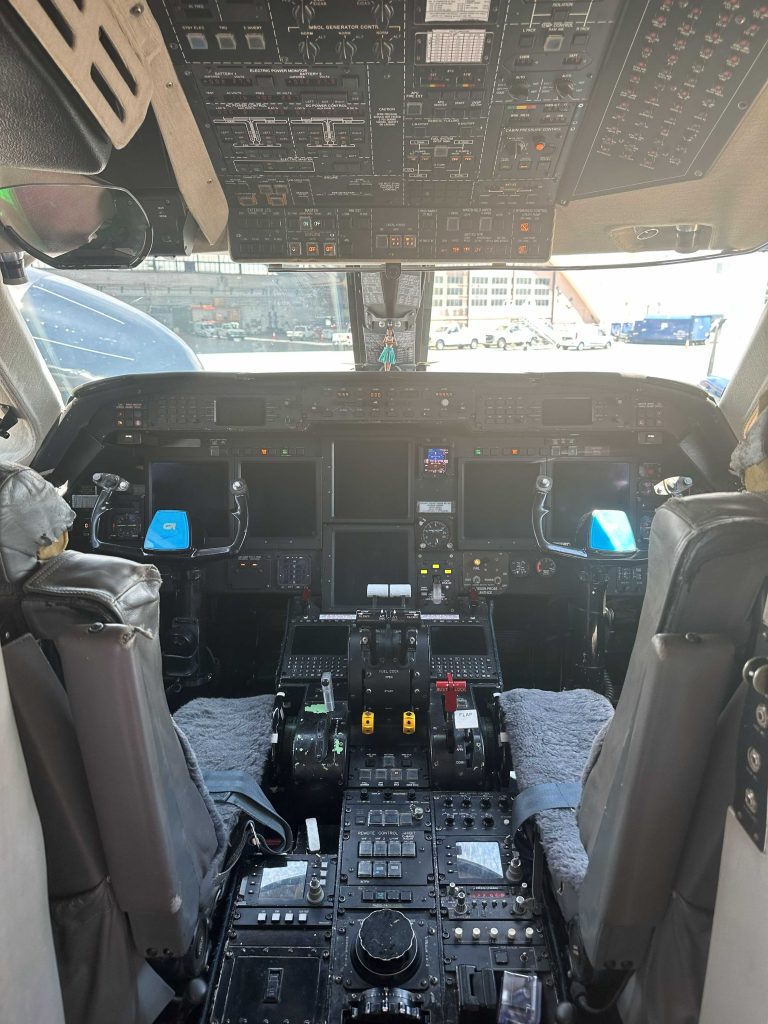
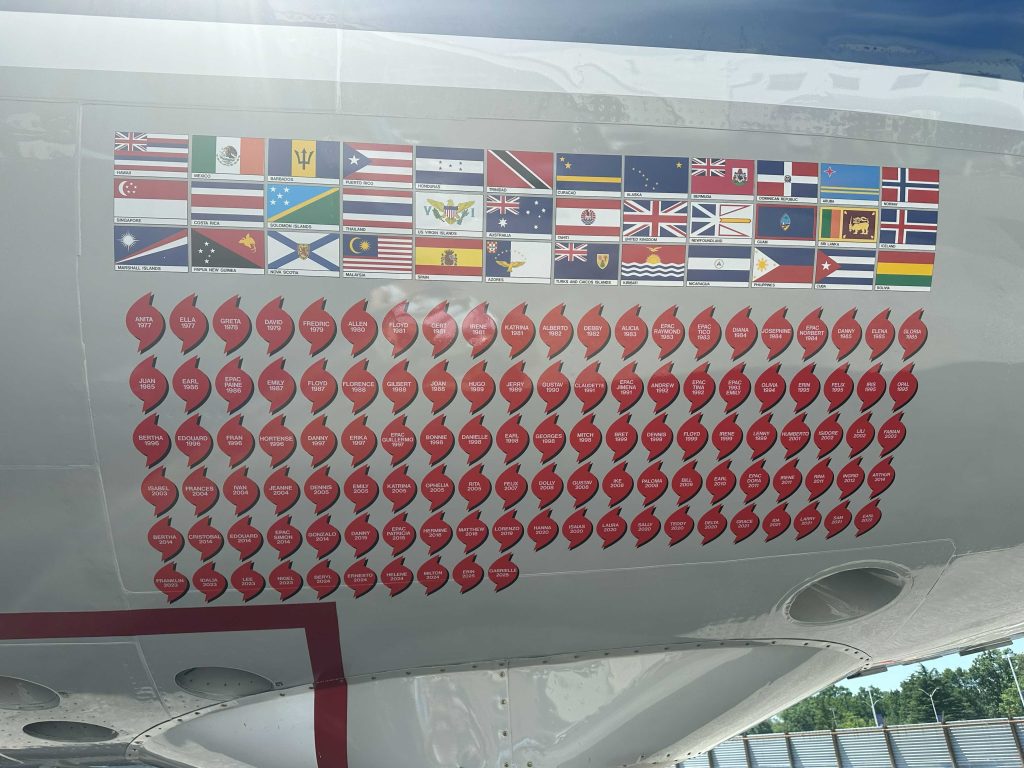
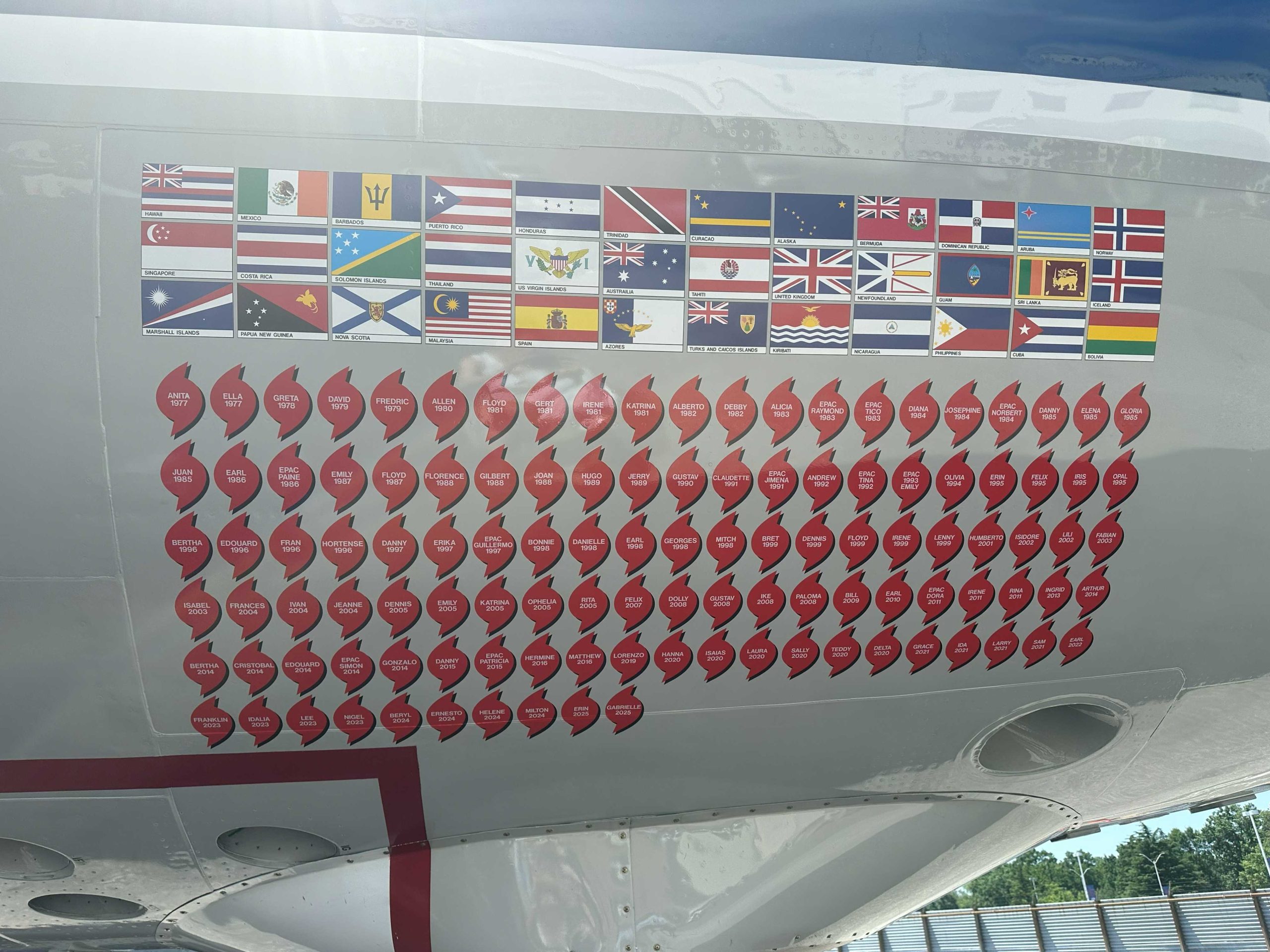
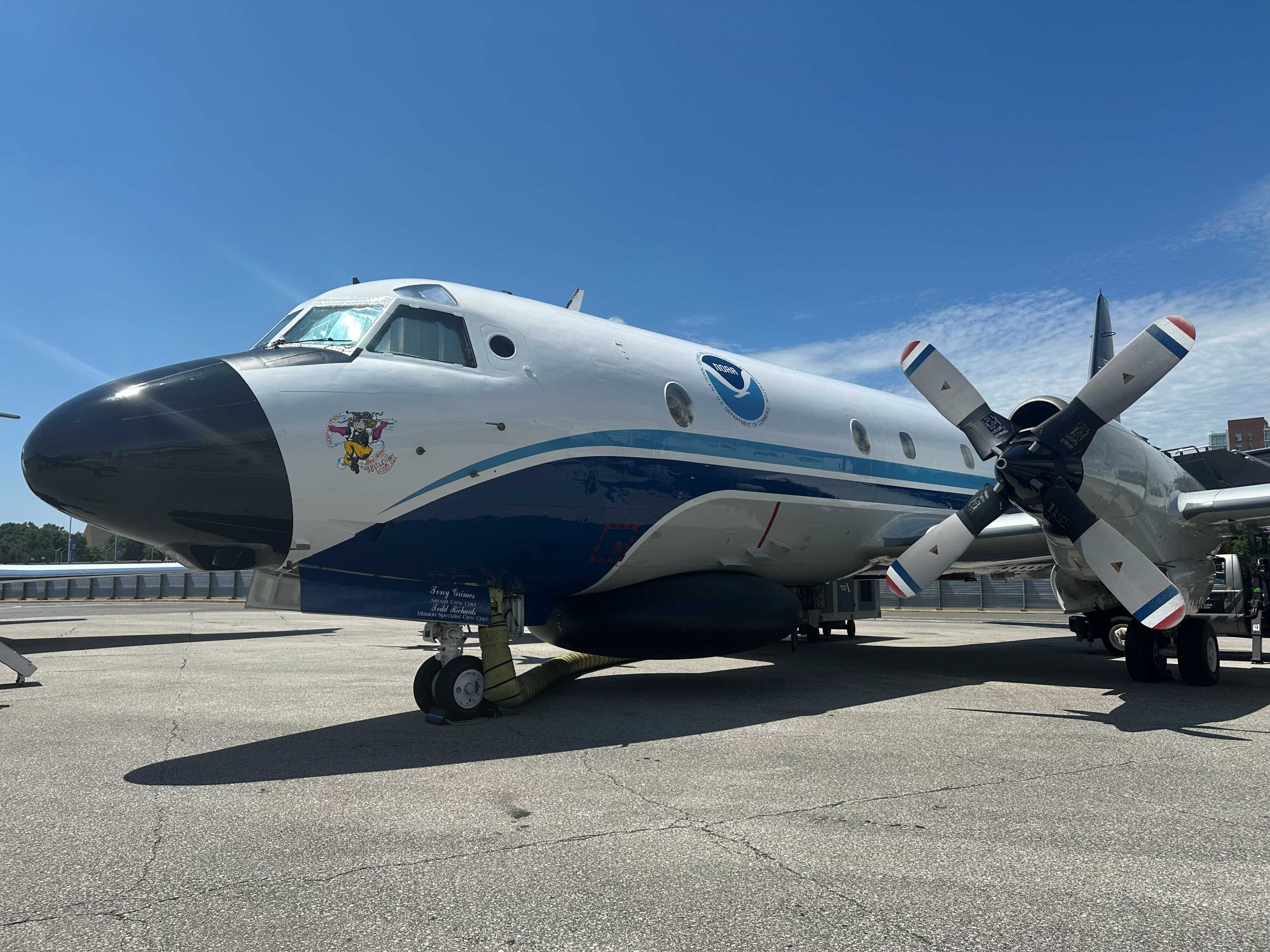
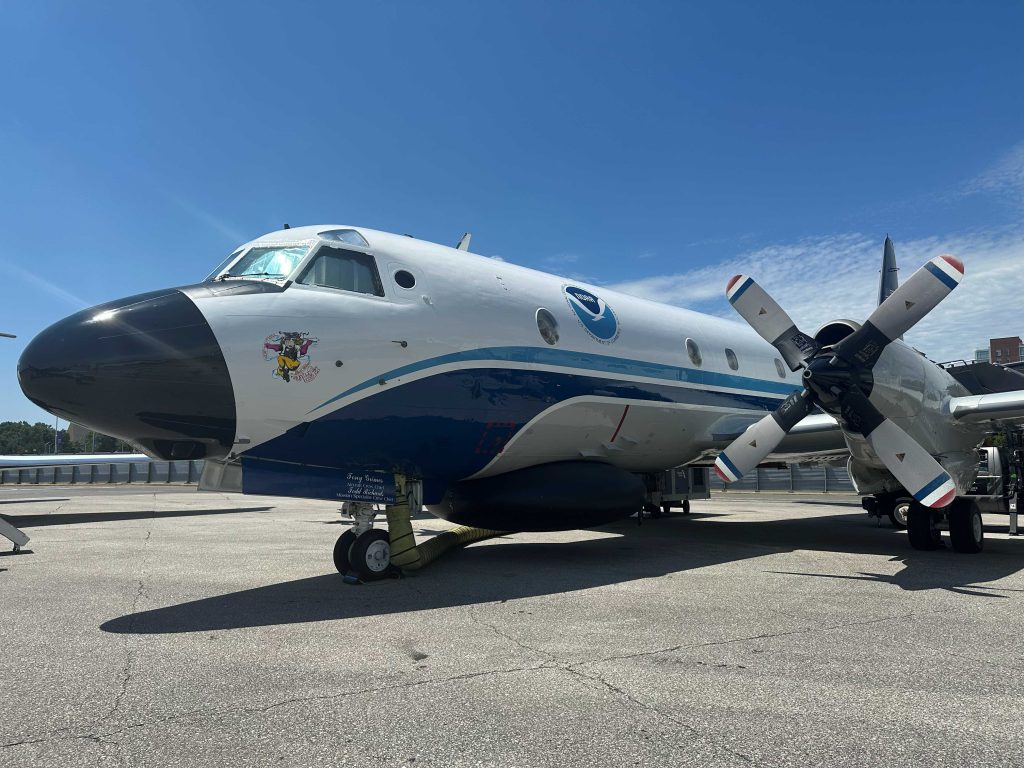
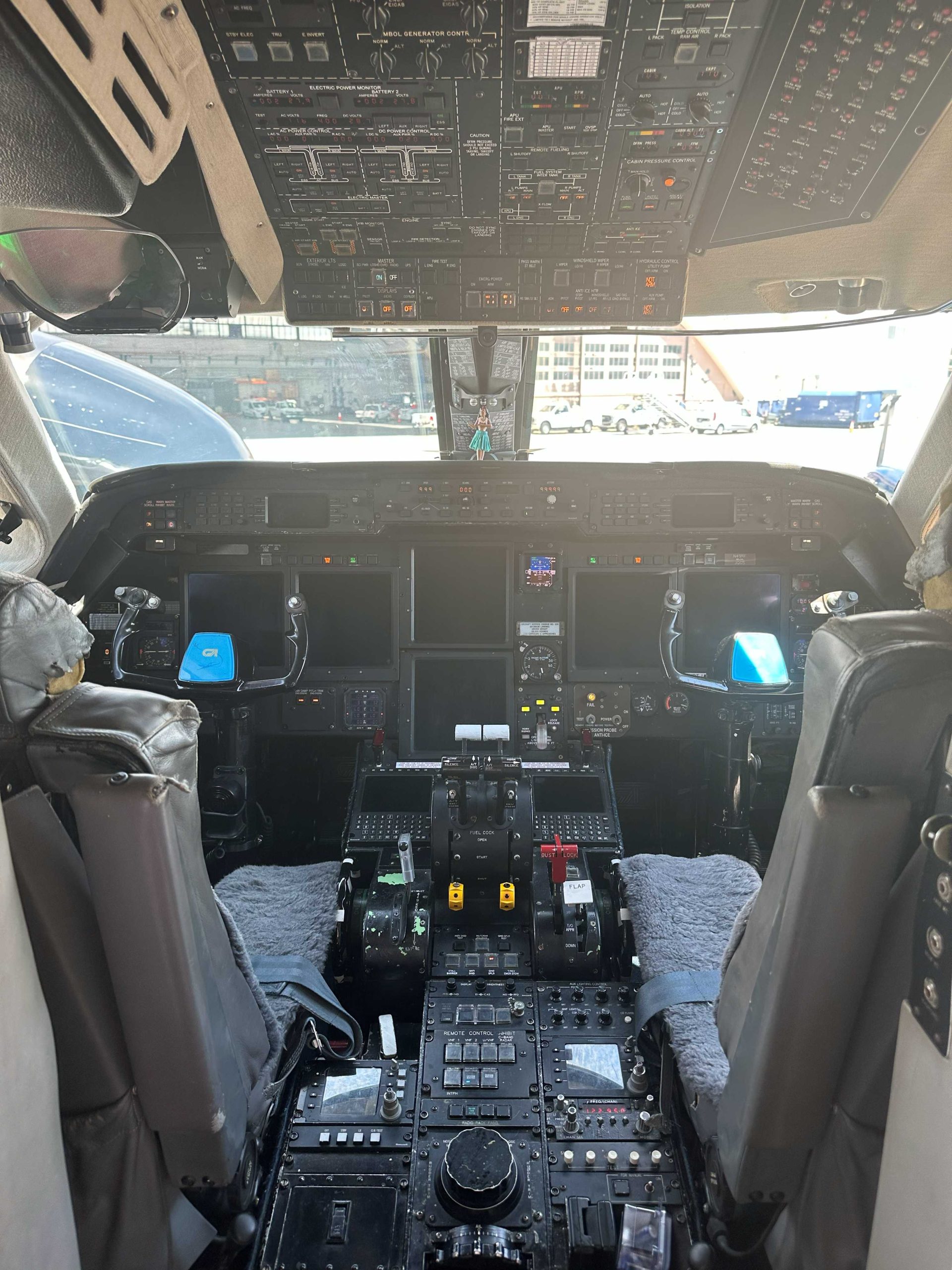
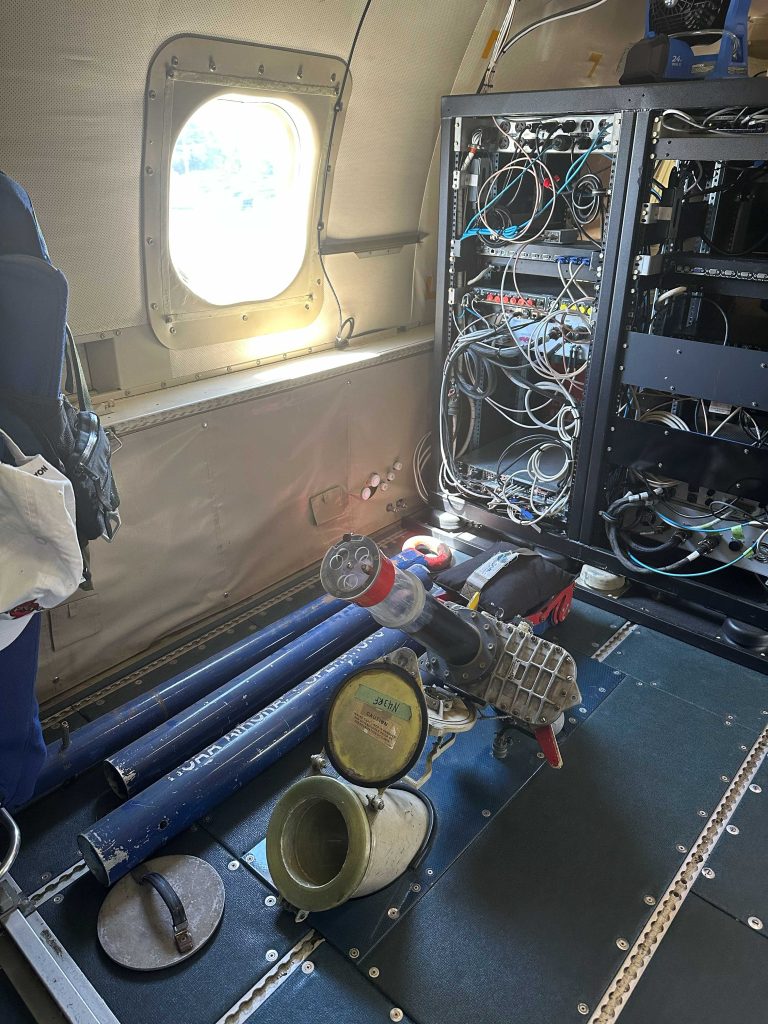
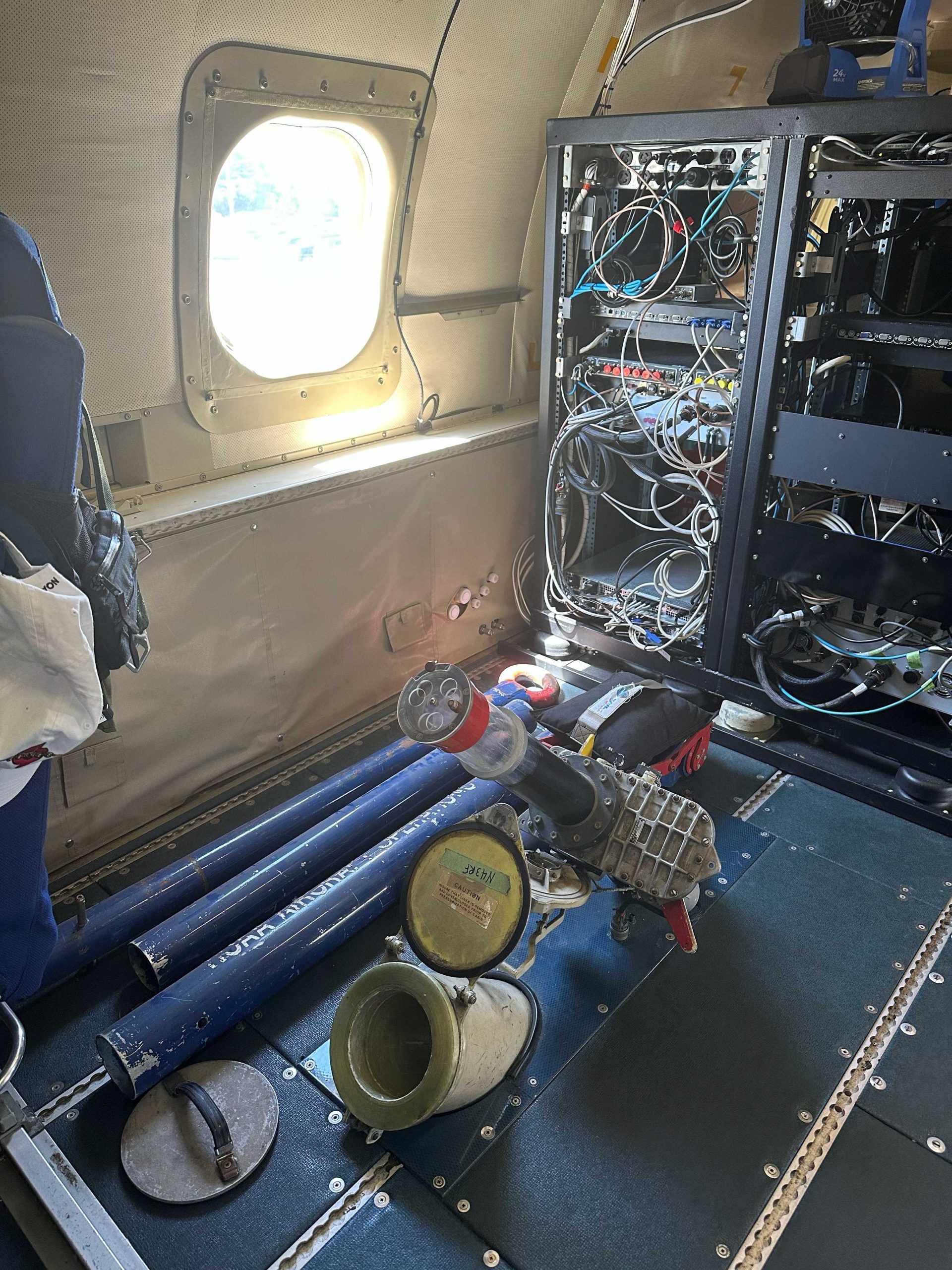
NOAA’s Hurricane Hunter aircraft conduct airborne weather reconnaissance missions that are essential to accurate storm track and intensity forecasts, giving coastal communities critical lead time to evacuate and prepare. The aircraft also carry out atmospheric river reconnaissance, providing data that improves forecasting of the extreme precipitation events that drive flooding and landslides across the western United States. The existing fleet is aging, and without investment in replacement aircraft and modernized radar and remote sensing capabilities, the continuity of these life-saving missions is at risk. For example, NOAA’s two WP-3D aircraft that fly through hurricanes, Kermit the Frog and Miss Piggy, will reach the end of their service life in 2030. While two C-130J aircraft are currently being built to replace them, with increasing severe storms and atmospheric rivers, NOAA needs additional aircraft to meet their mission requirements.
The Hurricane Hunter Aircraft Recapitalization Act would:
- Authorize $2.5 billion in appropriations to purchase more Hurricane Hunter aircraft and $45 million per year for NOAA aircraft operations and maintenance.
- Codify NOAA’s Hurricane Hunter mission in federal law, establishing a permanent statutory foundation for airborne weather reconnaissance and research.
- Increase the authorized number of C-130J aircraft from a maximum of six, to at least six and up to nine, to meet increasing storm demands across the country.
- Direct NOAA to acquire aircraft to meet its airborne weather reconnaissance mission, including atmospheric river reconnaissance that supports flood forecasting in the West and across the country.
- Require NOAA to maintain backup aircraft to ensure continuity of operations if aircraft are grounded due to maintenance or mechanical issues.
- Modernize airborne radar and remote sensing capabilities to ensure Hurricane Hunter aircraft are equipped with the most up to technology available.
- Authorize multi-year contracting authority for future aircraft acquisition and support, enabling more efficient and cost-effective procurement needed to speed up aircraft purchases and save taxpayer dollars.
- Codify the requirement that NOAA maintain a sufficient number of qualified NOAA Corps pilots, preserving the specialized expertise these Hurricane Hunter flights demand.
Sen. Cantwell is leading the effort to improve the nation’s weather forecasting capabilities. Earlier this year, she led a letter to Senate appropriators along with Sens. Alex Padilla (D-Calif.), Andy Kim (D-N.J.), Raphael Warnock (D-Ga.) and Ron Wyden (D-Ore.) requesting robust funding for NOAA aircraft operations, including $11 million to finalize acquisition of a second G550, and $357 million to purchase an additional C-130J aircraft.
In March, Sen. Cantwell’s Weather Act, which authorizes programs at NOAA that will strengthen weather research and forecasting to save lives and better prepare our nation against dangerous weather disasters, unanimously passed the Commerce Committee. The Weather Act is an important component of Sen. Cantwell’s 5 Point Plan to bolster U.S. weather readiness, which she outlined in a letter to President Donald Trump in July, 2025. Earlier this year, she introduced legislation to establish the Radar Next Program which will carry out deployment of the nation’s next generation weather radar system. Last August, she introduced legislation to modernize the nation’s weather communication and radio service as the country faces increasingly powerful floods, fires, and hurricanes.
Sen. Cantwell’s provision in the Coast Guard Authorization Act of 2022, which was passed into law through the James M. Inhofe National Defense Authorization Act for Fiscal Year 2023, directed NOAA to acquire adequate aircraft to meet its air reconnaissance and research mission and authorized six aircraft to replace the aging WP-3D aircraft, along with $800 million in funding. Sen. Cantwell helped secure $3.3 billion in NOAA investments in the Inflation Reduction Act to help communities prepare for and adapt to climate change, boost science needed to understand changing weather and climate patterns, and invest in advanced computer technologies that are critical for extreme weather prediction and emergency response. Her Fire Ready Nation Act, bipartisan legislation to strengthen NOAA’s ability to help forecast, prevent, and fight wildfires, passed the Senate in September of last year.
The text of the bill is HERE.